
Disclosure: This post may contain affiliate links, meaning we get a commission if you decide to make a purchase through our links, at no cost to you. Please read our disclosure for more info.
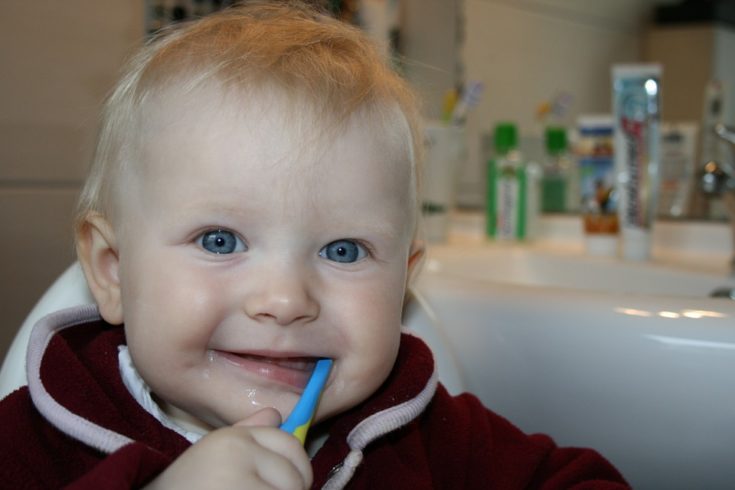
Teaching, encouraging, and enforcing healthy tooth hygiene in kids can be challenging, but is very important. The American Academy of Pediatrics states that cavities are the number one chronic disease in children, and are largely preventable. While there are a number of factors that contribute to oral health, with nutrient rich diets, limited sugar, and proper brushing, it is possible to eliminate or significantly reduce cavities in your children.
In This Post:
Visit the Dentist
Proper oral health care is truly a team effort. The Academy of Dentistry suggests children make their first visit to the dentist around their first birthday. Consider choosing a dentist that specializes in pediatric dentistry for the first few years. According to a dentist in Colorado Springs, it is a good idea to visit the dentist early so children can become comfortable with the dentist, the office, the equipment, and the routine. Then continue to visit the dentist twice a year for routine checks, thorough cleaning, and x-rays. Establishing a good dentist patient relationship early on will make future visits much easier.
Start Young
Parents should begin brushing baby’s teeth as soon as they erupt through the gums. Before that, it is a good idea to wipe the gums with a damp cloth to keep them clean, and get kids used to the sensation. If you use toothpaste, use a very small amount. For children under 3, a spot the size of a grain of rice is sufficient. After your child is 3, a spot of toothpaste the size of a pea should be used.
[amazon_link asins=’B000GCE5C6,B006TWI7N0′ template=’CopyOf-ProductGrid’ store=’preemietwinswp-20′ marketplace=’US’ link_id=’5ecdf9f1-e437-11e6-94ce-4988d4a3409f’]
Use a soft toothbrush and replace it every 3-4 months. Experts suggest using a toothpaste with fluoride in it, but you can experiment with what flavors and textures your child prefers.
Make it Fun
One challenge with teeth brushing is getting kids to stay still and focused long enough to brush properly. Consider using a timer, song, or game. A small hourglass timer is often intriguing enough to most kids because they like to watch the sand fall. As kids get older, let them choose their own toothbrush and toothpaste.
Lend a Helping Hand
Independence is important, but so is thoroughness. If your child wants to brush their own teeth, it is wise to check and touch up any problem areas you see. Be encouraging but give tips to help them improve.
While baby teeth are temporary, their strength and health affect the integrity of the permanent teeth. Helping your child develop good habits and techniques when they are young will help ensure happy and healthy smiles as they grow!