Disclosure: This post may contain affiliate links, meaning we get a commission if you decide to make a purchase through our links, at no cost to you. Please read our disclosure for more info.
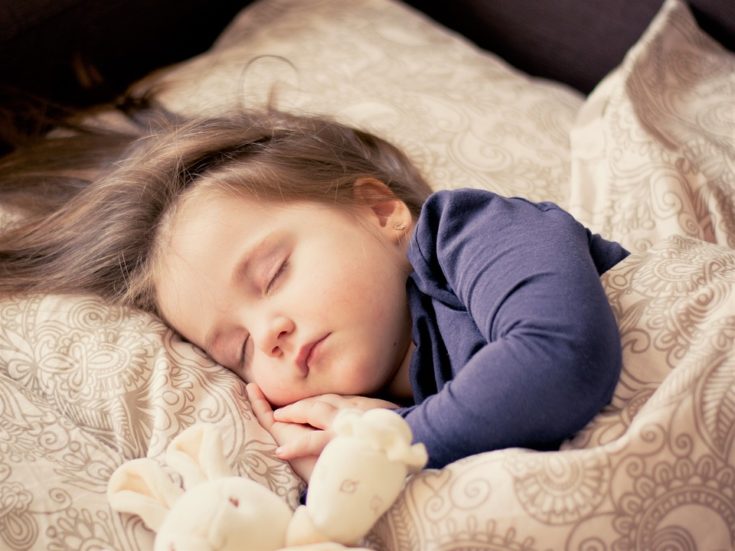
Snoring during sleep is a fairly normal condition in children. However, just because snoring is common with children, it does not mean that you don’t have to be concerned with the condition. Snoring might just be an indicator of serious health issues such as sleep apnea, and should, therefore, be addressed as early as possible.
In the article below, we address some of the common questions, including common causes of snoring in children.
In This Post:
Causes of Snoring
Just like adults, snoring happens when the air passing through the back of the throat or mouth is restricted or blocked from moving freely. The opening and closing of the air passage cause the tissues in the throat to vibrate, hence causing the sound. The intensity of the snore is determined by the amount of air passing through and how fast the throat tissue is vibrating.
Another rare condition that causes snoring in children as well as adult is the position of the tongue. If your child is a “tongue base snorer” it means that their tongue drops backs to their throat causing an obstruction of air movement to the lungs and hence the snore. However, the ZeeSnoring.com tongue stabilizing devices can easily correct this problem.
Causes of Snoring in Children
Here are the common causes of snoring in children.
Respiratory infection
If your child has an infection with the sinus, post nasal drip or a stuffy nose due to cold or allergies, they’re likely to snore since the above infections partly block the nasal canal. Blockage of the canal forces them to breathe with their mouths.
Enlarged tonsils and adenoids
Enlarged tonsils are the leading cause of snoring among children, and a strong indicator of potential obstructive sleep apnea. The swollen glands restrict or rather narrow the nasal canal making it difficult for your kid to breathe comfortably throughout the night.
Deviated septum
Deviated septum is a rare condition in which the nasal septum is significantly off center, or crooked making breathing through the nose difficult. The nasal imbalance between the two passages reduces airflow and makes it difficult to breathe.
Signs of obstructive Apnea
As we said earlier, snoring can be a good indicator of other serious respiratory-related issues, and one of the common conditions is Obstructive sleep apnea (OSA). OSA is sleep condition in which the air passage narrows further than normal snoring, and may even close. The condition is characterized by snorting or gasping as if choked during sleep. Your child may also appear to “suck” their chest during sleep.
Common signs of the condition
- Excessive sleepiness during the day
- Difficult in waking up
- Delayed growth
- Irritability, crankiness, and aggressiveness
- Behavioral and social issues
Snoring remedies
The most important thing you can do for your kid is to observer their daily and nightly habits and report your concerns to your pediatrician. Depending on the causes of your child’s snoring, your doctor might recommend one or more of the following solutions:
- Getting rid of post nasal drip triggers such as pets, feather pillows, and comforters
- Prescription of sinus decongestants and allergy medications
- Suggest ideal sleeping conditions accompanied with special pillows and mattresses
- Refer you to an ENT specialist to check the condition of the tonsils and adenoids, and see if they need removal
If you still have any further questions with regards to your child’s snoring condition, sleeping habits and some of the recommended anti-snoring tools, you should visit your healthcare provider for a comprehensive report, including ways and devices that that help in eliminating the snore.