
Disclosure: This post may contain affiliate links, meaning we get a commission if you decide to make a purchase through our links, at no cost to you. Please read our disclosure for more info.
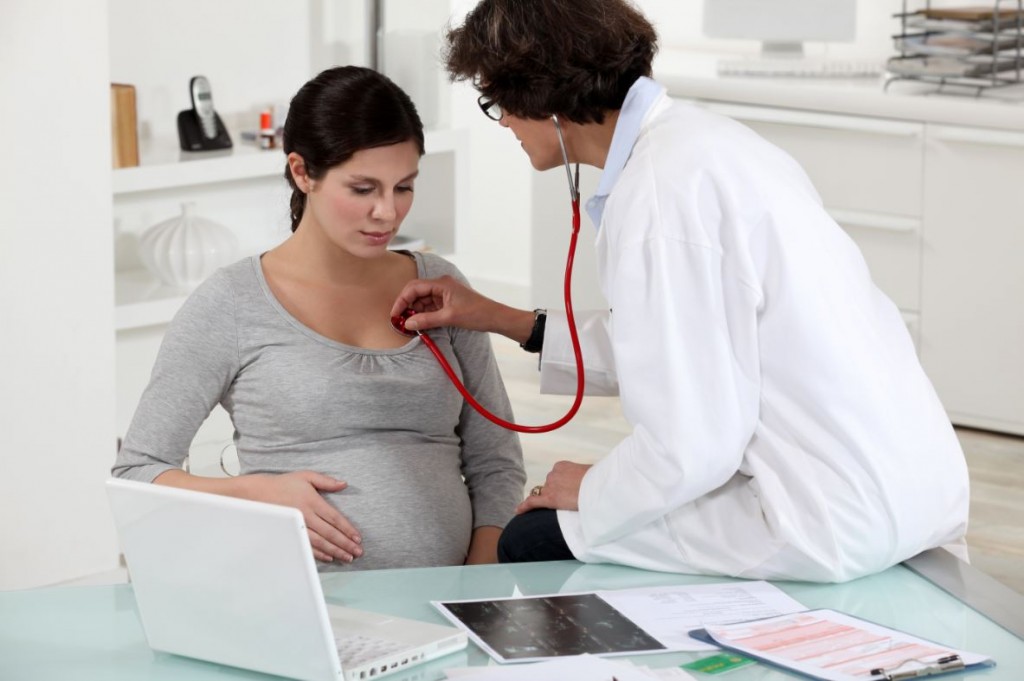
During pregnancy, your legs and back will generally be required to carry additional weight. This extra weight can create stress on muscles, tendons and ligaments. More than that, lower body swelling coupled with the tendency for pregnant women to generally become less active later in their pregnancy can all play a role in aches and pains felt in the legs and back during pregnancy. If you are suffering from pains in these areas, there are a few steps that you can take to alleviate at least some of your symptoms.
-
Monitor Your Weight
It can be challenging to completely control your weight gain during pregnancy, and you do want to gain a healthy amount of weight so that your developing baby can grow and thrive. However, when you gain too much weight, you are adding pressure and strain to your already aching muscles in your legs and back. When you eat a healthy diet and get an adequate amount of exercise throughout your pregnancy, you can keep back and leg pain to a minimum.
-
Sleep on Your Side
The pressure and weight of associated with a baby that’s growing can decrease the flow of blood through the vena cava, which is the largest vein responsible for carrying blood to the heart. This can exacerbate a problem with swelling. In addition, it can place additional pressure on your sciatic nerve in some some cases. Sleeping on your side throughout pregnancy is a better option.
-
Get Some Exercise
Poor circulation can lead to swelling and weight gain, and one of the best ways to promote circulation during pregnancy is to exercise regularly. While some women will continue with a full workout regimen throughout pregnancy, even a brisk 15 or 20 minute walk once or twice per day can do wonders for your circulation and can keep aches and pains away.
-
Keep Your Feet Up When Resting
While you want to get moving, you also want to rest your body. When you are sitting or laying day, keep your legs elevated over your heart when possible. Ideally, you will want to elevate your legs for at least 15 or 20 minutes several times a day. This will ease a problem with swelling, which may cause aches and pains. This will also help with blood clots that can be dangerous to your health. If you develop varicose veins during pregnancy, it’s important to visit a specialist.
The unfortunate reality is that leg and back pain are simply a part of most pregnancies, and you may not be completely pain-free until after your delivery. However, you can follow some of these tips to find moderate relief and to be more comfortable throughout your pregnancy.
Informational credit to Intermountain Vein Center.